
Marketing Fundamentals: Core Concepts and Ready-to-Use Strategy Templates


In today’s highly competitive business environment, companies are constantly experimenting with new platforms, advertising channels, and digital tools. While innovation is important, long-term success rarely comes from tactics alone. Sustainable growth is built on a strong strategic base and that base is defined by Marketing Fundamentals.
Marketing fundamentals provide the structure that guides every marketing decision. They shape how a business understands its customers, differentiates from competitors, communicates value, and allocates resources. Without them, marketing efforts become fragmented and reactive. With them, marketing becomes focused, consistent, and measurable.
This article explores the essential principles of Marketing Fundamentals including target audience analysis, positioning, branding, SWOT analysis, and the marketing mix and explains how these core concepts form the foundation of effective marketing strategies and business growth. It also demonstrates how structured strategy templates can help professionals apply these fundamentals clearly and professionally.
Understanding Marketing Fundamentals
Marketing Fundamentals refer to the essential principles that guide how businesses create value and connect with their market. These principles remain relevant regardless of industry, company size, or marketing channel.
At their core, Marketing Fundamentals answer several critical questions:
- Who is the ideal customer?
- What specific problem is being solved?
- What differentiates the business from competitors?
- How should the offering be positioned in the marketplace?
- How will success be measured?
Rather than focusing on isolated campaigns, marketing fundamentals ensure that every initiative aligns with a larger strategy. They create consistency across messaging, pricing, distribution, and branding.
When organizations neglect these fundamentals, marketing often becomes disconnected from overall business goals. Campaigns may generate attention, but not meaningful results. However, when these principles are clearly defined, marketing efforts reinforce one another and build momentum over time.
Target Audience Analysis: The Foundation of Effective Strategy
Every strong marketing strategy begins with understanding the target audience. Without clarity about who the business is trying to reach, communication becomes broad and ineffective.
Target audience analysis involves gathering and interpreting both quantitative and qualitative data. While demographic details such as age, income, and location are helpful, they only tell part of the story. True insight comes from understanding customer motivations, behaviours, frustrations, and aspirations.
Businesses that invest in audience research often develop detailed buyer personas. These personas represent ideal customers and provide clarity for messaging decisions. Instead of asking, “What should we say?” teams begin asking, “What does our customer need to hear?”
Clear audience insights influence:
- Product development decisions
- Messaging tone and style
- Channel selection
- Pricing strategy
- Customer experience design
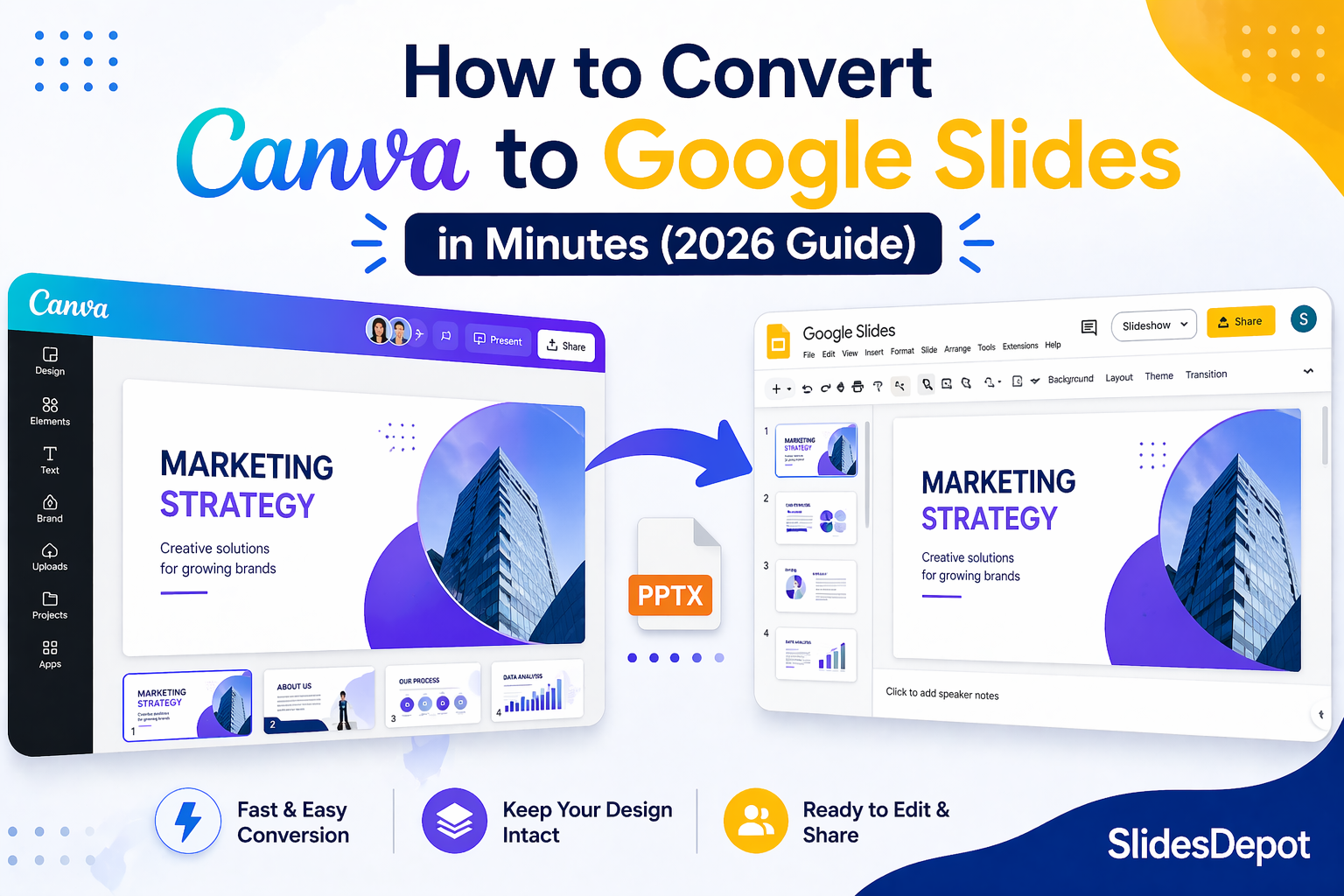
In practice, these insights are often organized into structured marketing plans. Many professionals use presentation frameworks to map segmentation, persona profiles, and market opportunities in a cohesive format. Slide collections such as those available at:
offer organized layouts that help teams document their research and present it clearly during planning sessions or executive meetings.
Positioning Strategy: Creating Meaningful Differentiation
Positioning is one of the most powerful aspects of marketing fundamentals. It determines how a brand is perceived in the marketplace and why customers choose it over alternatives.
A well-defined positioning strategy clarifies:
- The specific segment the brand serves
- The unique value it delivers
- The emotional and functional benefits offered
- The competitive advantage it holds
Without clear positioning, brands risk blending into the background. Customers may recognize the name but fail to understand why it matters.
Effective positioning creates clarity. It simplifies decision-making for customers and provides direction for internal teams. When positioning is strong, every marketing message reinforces the same promise.
Positioning also guides pricing decisions, partnership choices, and long-term strategic planning. It is not just a marketing statement — it is a business-level decision.
SWOT Analysis: Structuring Strategic Insight
Strategic clarity requires honest evaluation. This is where SWOT analysis becomes essential within Marketing Fundamentals.
SWOT — Strengths, Weaknesses, Opportunities, and Threats — provides a structured method for analysing both internal capabilities and external conditions.
- Strengths highlight competitive advantages.
- Weaknesses reveal internal gaps.
- Opportunities identify growth potential.
- Threats expose market risks.
By examining all four dimensions, businesses gain a balanced perspective. This prevents overconfidence and encourages proactive planning.
SWOT analysis is particularly valuable when entering new markets, launching new products, or refining positioning strategies. However, the effectiveness of SWOT depends on clarity and organization. Presenting findings in a structured format ensures that discussions remain focused and actionable.
Framework-based slides, such as those found at:
provide visual layouts that help teams organize insights and communicate them effectively in leadership discussions or strategy reviews.
Branding Fundamentals: Building Long-Term Perception
Branding is often misunderstood as design alone. In reality, branding represents the cumulative perception customers develop over time.
Within Marketing Fundamentals, branding translates strategic decisions into emotional connection. It shapes how customers feel about a company and whether they trust it.
Strong branding requires consistency across:
- Visual identity
- Tone of voice
- Messaging
- Customer experience
- Product presentation
When branding aligns with positioning and audience insights, it reinforces credibility. Customers begin associating the brand with specific qualities — reliability, innovation, affordability, or exclusivity.
Brand equity grows gradually, but it becomes a powerful competitive advantage. Well-established brands often enjoy higher customer loyalty and greater pricing flexibility because perception adds value beyond the product itself.
The Marketing Mix: Connecting Strategy to Execution
The marketing mix — Product, Price, Place, and Promotion — serves as the operational layer of Marketing Fundamentals.
Each element must align with the others to create a cohesive strategy.
Product defines the solution offered.
Price reflects perceived value and positioning.
Place determines how and where customers access the offering.
Promotion communicates the value proposition.
When these elements are misaligned, marketing performance suffers. For example, premium pricing combined with discount-driven messaging can create confusion. Alignment ensures that every element reinforces the same strategic direction.
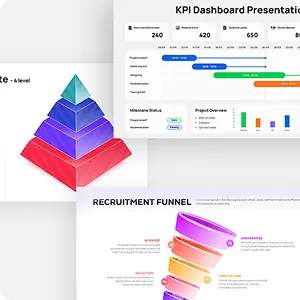
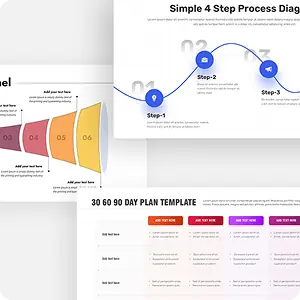
To manage this complexity, marketing teams often build structured go-to-market plans. Organized strategy templates, such as those available at:
can help teams map campaign timelines, allocate budgets, define KPIs, and summarize strategy in a clear executive format.
Applying Marketing Fundamentals Through Structured Templates
Understanding Marketing Fundamentals conceptually is important but applying them consistently requires organization.
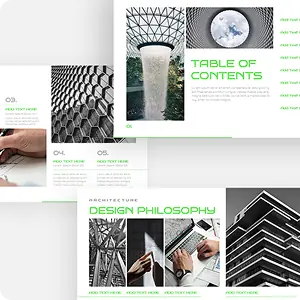
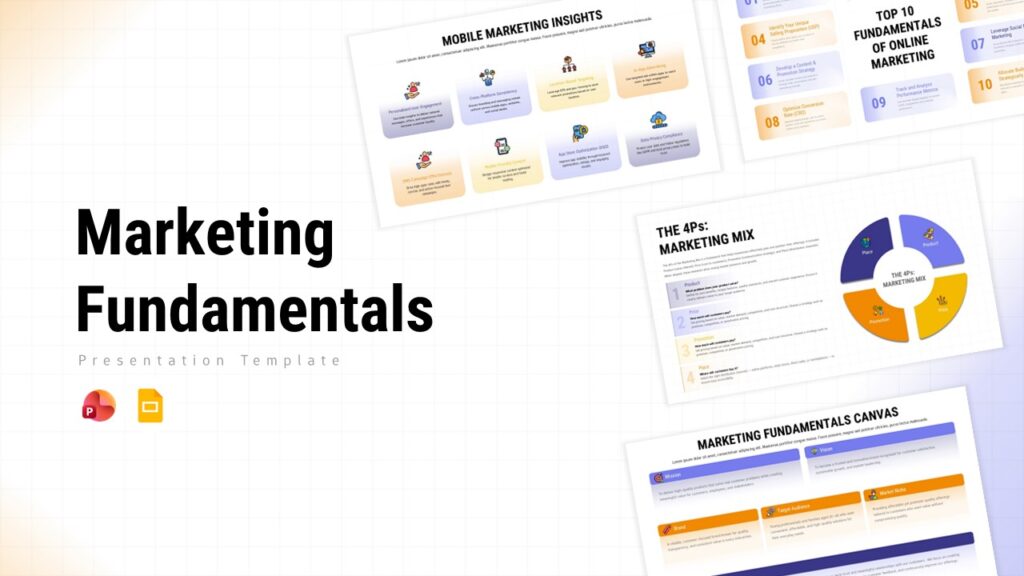
Ready-to-use strategy frameworks such as the Marketing Fundamentals strategy presentation template can help professionals structure their thinking and present marketing concepts clearly. These templates provide organized layouts that guide teams through key elements like audience analysis, positioning, SWOT evaluation, and the marketing mix, making it easier to turn strategic ideas into actionable plans.:
- Marketing plan development
- SWOT analysis presentation
- Campaign roadmaps
- Budget allocation
- Executive summaries
The benefit lies in structure. By simply customizing content within these frameworks, professionals can focus on insights rather than formatting. This improves internal communication, reduces preparation time, and ensures presentations remain professional and consistent.
Templates do not replace strategic thinking — they support it.
Why Marketing Fundamentals Drive Sustainable Business Growth
Businesses that consistently apply Marketing Fundamentals tend to outperform those that rely solely on short-term tactics.
When audience insights guide messaging, positioning clarifies differentiation, SWOT analysis informs decisions, branding builds trust, and the marketing mix aligns execution — the result is strategic coherence.
This coherence leads to:
- Stronger customer acquisition
- Improved brand recognition
- Higher campaign efficiency
- Better resource allocation
- Sustainable long-term growth
Rather than reacting to trends, companies grounded in fundamentals adapt strategically. They innovate without losing clarity.
Conclusion
Marketing Fundamentals remain the cornerstone of effective marketing strategy. Target audience analysis, positioning, branding, SWOT evaluation, and the marketing mix work together to create a structured and sustainable growth system.
While marketing tools and platforms may change, these principles endure. When supported by organized planning frameworks and structured presentation tools, applying these fundamentals becomes more practical and consistent.
In the end, successful marketing is not defined by complexity. It is defined by clarity, alignment, and disciplined execution built on strong foundations.


How to Add Audio to Google Slides (Step-by-Step Guide)
How to insert audio into google slides Want to make your presentation more engaging? Adding audio to your slides – whether it’s a voiceover narration, background music, or a sound effect – can turn a flat deck into a memorable experience. In this guide, the SlidesDepot team walks you through exactly how to add audio to Google Slides, step…
How to Convert Canva Presentations to Google Slides in Minutes (2026 Guide)
You spent hours building a beautiful presentation in Canva. The fonts are on point, the colors match your brand, and the layout looks exactly how you imagined it. Then someone asks for the file in Google Slides format, and suddenly the whole process feels far more complicated than it should be. This is a frustration…

How to Structure a Persuasive Speech People Actually Remember
A persuasive speech lives or dies in the first thirty seconds. You can have the strongest argument in the room, but if your opening doesn’t earn attention, the rest of your points are wasted breath. Most speakers spend weeks polishing their words and almost no time thinking about how those words are supported visually, which…